

Why a summer pigmentation laser consultation first separates melasma, freckles, and post-inflammatory marks
2026/08/10
- Care
Hello, I am Dr. Kim Kyung-soo, Chief Physician at UHCELL Clinic Seocho branch.
In summer, some people feel that facial spots have suddenly become darker. Yet similar brown areas may represent broad melasma-like patches, small freckle-like spots, or pigmentation left after inflammation or irritation, and they may not share the same cause.
A single photo should not be used to diagnose the cause or choose a laser. Distribution, timing, sun exposure, recent irritation, and procedure history need to be reviewed first.
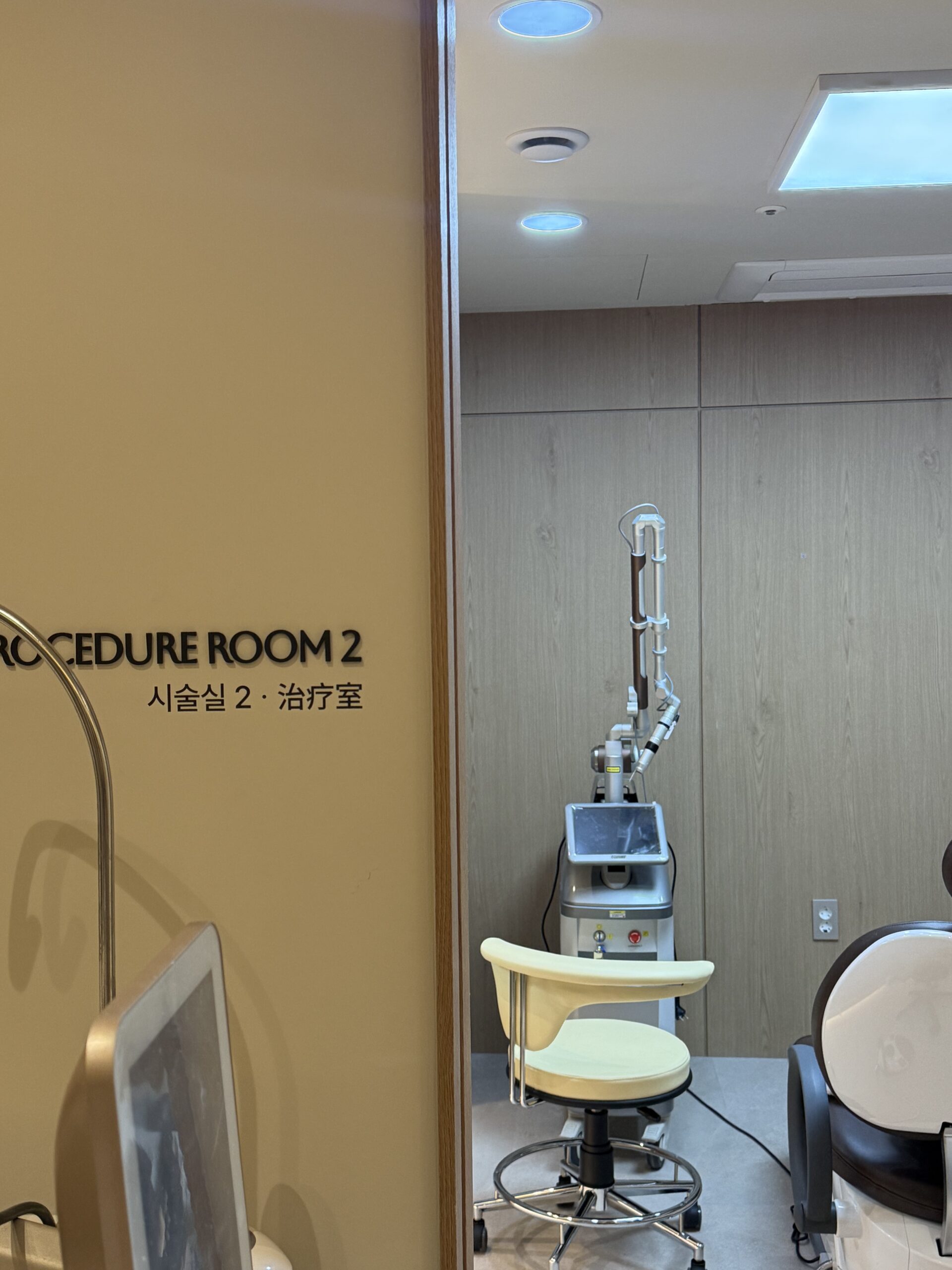
Similar brown spots lead to different consultation questions
Whether pigmentation is broad and present on both cheeks, whether small spots have recurred since childhood, or whether color remained where acne, dermatitis, or an injury occurred are useful consultation clues. Melasma-like patches, freckles, and post-inflammatory hyperpigmentation are possibilities to evaluate, not labels for self-diagnosis.
Share when the change began, which season makes it more noticeable, and whether itching or redness came first. Lighting and image correction can alter color, so a photo alone cannot establish pigment depth or cause.
Sun exposure and recent irritation both matter
Stronger sunlight and more outdoor activity can make existing pigmentation look more prominent in summer. Use shade and a hat, apply enough broad-spectrum sunscreen suited to your skin, and reapply after sweating or water exposure as appropriate.
The consultation should also cover recent peels, scrubs, hair removal, lasers, injections, and any stinging or redness after a new skin-care product. The location and timing of acne or dermatitis can help the clinician assess whether pigmentation followed inflammation.
Skin condition and irritation risk come before a laser name
No single laser can be promised to remove every type of pigmentation. The clinician examines the pattern, current skin condition, recent irritation, and previous treatment response before deciding whether treatment is appropriate and what method or interval to consider.
Irritation and inflammation can make pigmentation darker or longer-lasting. Avoid aggressive exfoliation around consultation and treatment, and contact the treating clinic promptly after a procedure for severe pain, blistering, marked warmth, or rapidly worsening discoloration.
Frequently Asked Questions (FAQ)
Can a photo show whether I have melasma or freckles?
A photo can document color and distribution, but lighting and editing affect its appearance. Other pigment conditions can look similar, so the history and skin need to be examined directly.
Can one type of laser remove all dark spots?
Results cannot be guaranteed from a device name alone. The pigment pattern and skin response guide whether and how to treat, and irritation may worsen pigmentation.
What should I prepare before a laser consultation?
Note when the spots darkened, outdoor exposure and sunscreen habits, recent acne or dermatitis, peels, hair removal, lasers, injections, current skin-care products, and reactions to previous treatments.
If spots look darker in summer, avoid deciding for yourself that they are melasma, freckles, or post-inflammatory pigmentation. Start by noting when they changed and what recently irritated the skin.
For a pigmentation laser consultation in Seocho, UHCELL Clinic Seocho branch can review your skin condition, sun exposure, and previous treatment responses.
※ 효과와 회복 기간에는 개인차가 있으며, 정확한 진단은 전문의 상담을 통해 받으시길 권합니다.
This was Dr. Kim Kyung-soo, Chief Physician at UHCELL Clinic Seocho branch.
Consultation is available in English, Japanese, and Chinese.
Parking is available from B2 to B5 in the same building, with 2 hours of free parking registration.
For appointments, please contact us by phone or through our website.
1F, 30 Banpo-daero 16-gil, Seocho-gu, Seoul
+82-2-2135-4393